Comprehensive Hockey Levels and Terminology

Minor Hockey in the USA typically encompasses all levels of youth hockey
below junior hockey (ages 4–18).

1) Mini-Mites (6U) & Mites (8U)

  • Overview: Introduction to skating, basic puck handling, and fun games to build love for hockey.
  • Focus Areas: Balance, agility, stick control, and teamwork.
  • Parents’ Role: Encouraging participation and a positive attitude.
  • Typical Schedule: One practice/game per week.
  • Training Tips: Backyard skating, simple shooting drills, and basic hand-eye coordination games.

2) Squirts (10U)

  • Overview: Emphasis on developing strong skating and basic hockey sense.
  • Focus Areas: Power skating, passing accuracy, and small-area games.
  • Typical Schedule: 2-3 practices/games per week, optional skill clinics.
  • Training Tips: Incorporate off-ice stick handling, shooting targets, and speed drills.

3) Peewee (12U)

  • Overview: Transition to body contact and advanced game understanding.
  • Focus Areas: Positional play, checking technique (starting at Peewee), and conditioning.
  • Typical Schedule: 3-4 sessions weekly, participation in tournaments.
  • Training Tips: Strength training (body weight focus), agility ladders, and advanced puck control.

4) Bantam (14U)

  • Overview: High-intensity gameplay and focus on individual and team strategy.
  • Focus Areas: Physical development, shooting power, advanced tactical awareness.
  • Typical Schedule: 4-5 sessions weekly, tournaments, and showcases.
  • Training Tips: Off-ice strength training, explosive sprint drills, mental skills training.

5) Midget (16U/18U)

  • Overview: Serious commitment to hockey; opportunities for scouting and team leadership.
  • Focus Areas: Elite skill development, hockey IQ, and endurance.
  • Typical Schedule: 5+ weekly sessions, junior showcases, prep or high school team practices.
  • Training Tips: Comprehensive strength and conditioning programs, video review, and nutrition focus.

USA vs. Hockey Canada Age Divisions

USA Hockey Age Divisions Hockey Canada Age Divisions
Age Range (USA)USA DivisionAge Range (Canada)Canada Division
Ages 4–66U (Mini-Mites)Ages 4–6U7 (Initiation)
Ages 7–88U (Mites)Ages 7–8U9 (Novice)
Ages 9–1010U (Squirts)Ages 9–10U11 (Atom)
Ages 11–1212U (Peewees)Ages 11–12U13 (Peewee)
Ages 13–1414U (Bantams)Ages 13–14U15 (Bantam)
Ages 15–1816U/18U (Midgets)Ages 15–17U18 (Midget)
Ages 18–20Junior (Various Tiers)Ages 18–20U21 (Junior)

Understanding Hockey Lingo

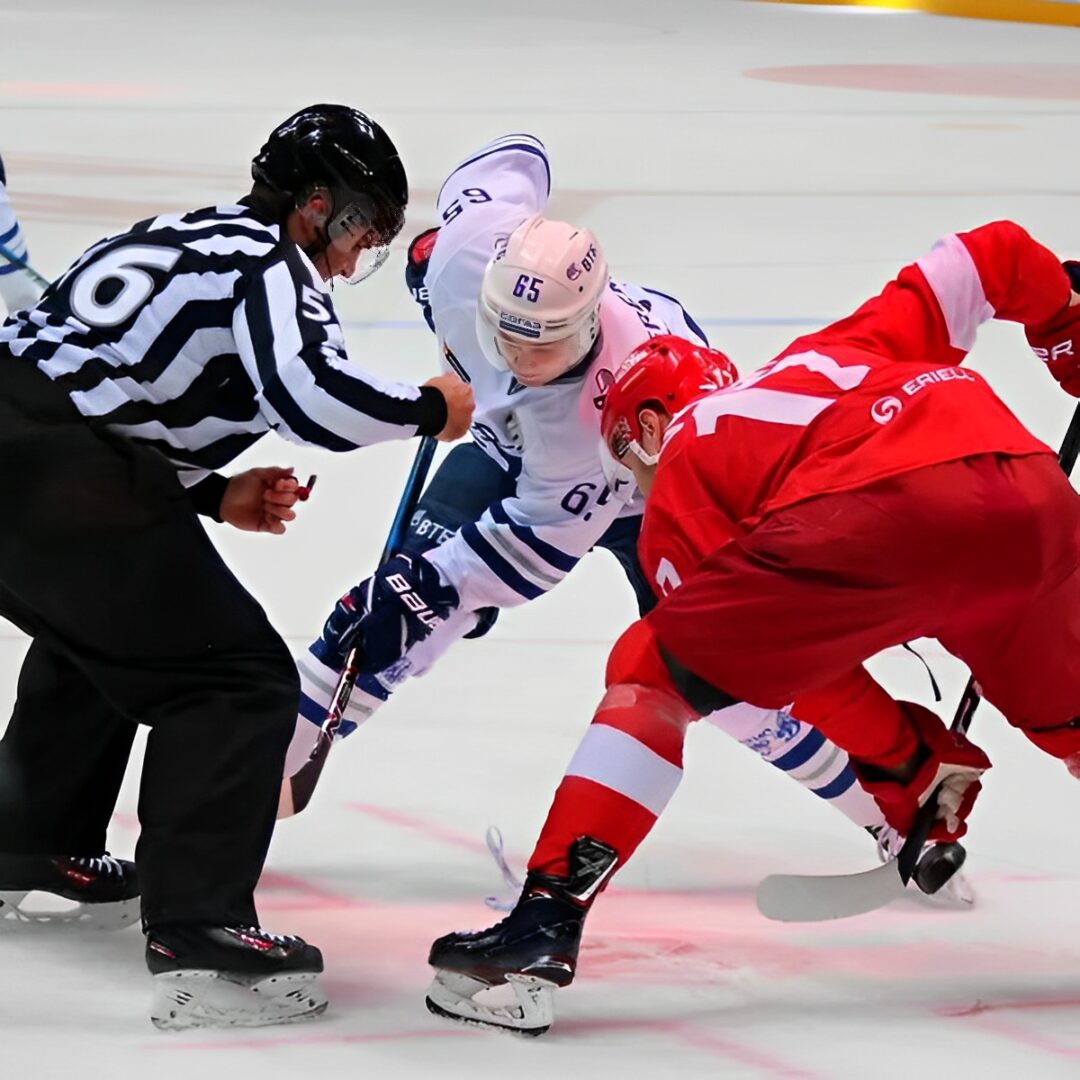
Ice hockey face-off between two players.

1) Basic Hockey Terms

  • Assist: A pass that directly leads to a goal.
  • Blue Line: The two lines that mark the offensive and defensive zones.
  • Breakaway: When a player gets past all defenders and has a one-on-one chance with the goalie.
  • Goal Line: The line the puck must completely cross to count as a goal.
  • Power Play: A team has more players on the ice due to the opposing team’s penalty.
  • Penalty Kill (PK): The defensive effort during an opponent’s power play.
  • Chirping: Trash-talking on the ice.
  • Flow: A term for a player’s long hair, flowing out of their helmet.
  • Wheel: Skating fast.

2) Intermediate Hockey Terms

  • Deke: A move to fake out an opponent or goalie.
  • Face-off Circle: The circles on the ice where face-offs occur.
  • Five-Hole: The space between a goalie’s legs.
  • Line Change: Substituting players on the fly during play.
  • One-Timer: A shot taken immediately after receiving a pass.
  • Poke Check: Using the stick to knock the puck away from an opponent.
  • Screen: Blocking the goalie’s view of the puck to create scoring opportunities.
  • Slot: The area in front of the net between the face-off circles, often a prime scoring area.
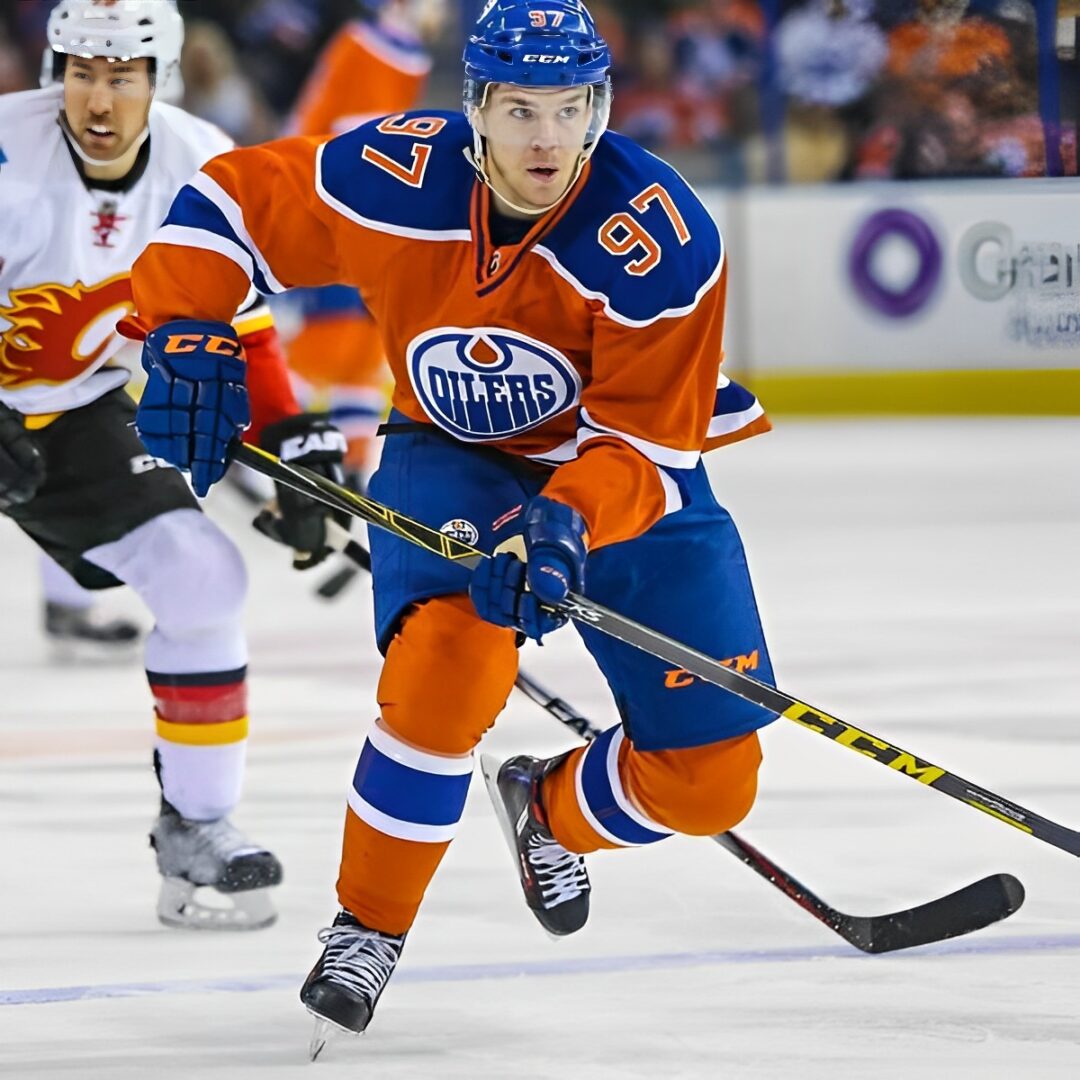
Hockey player skating during a game.
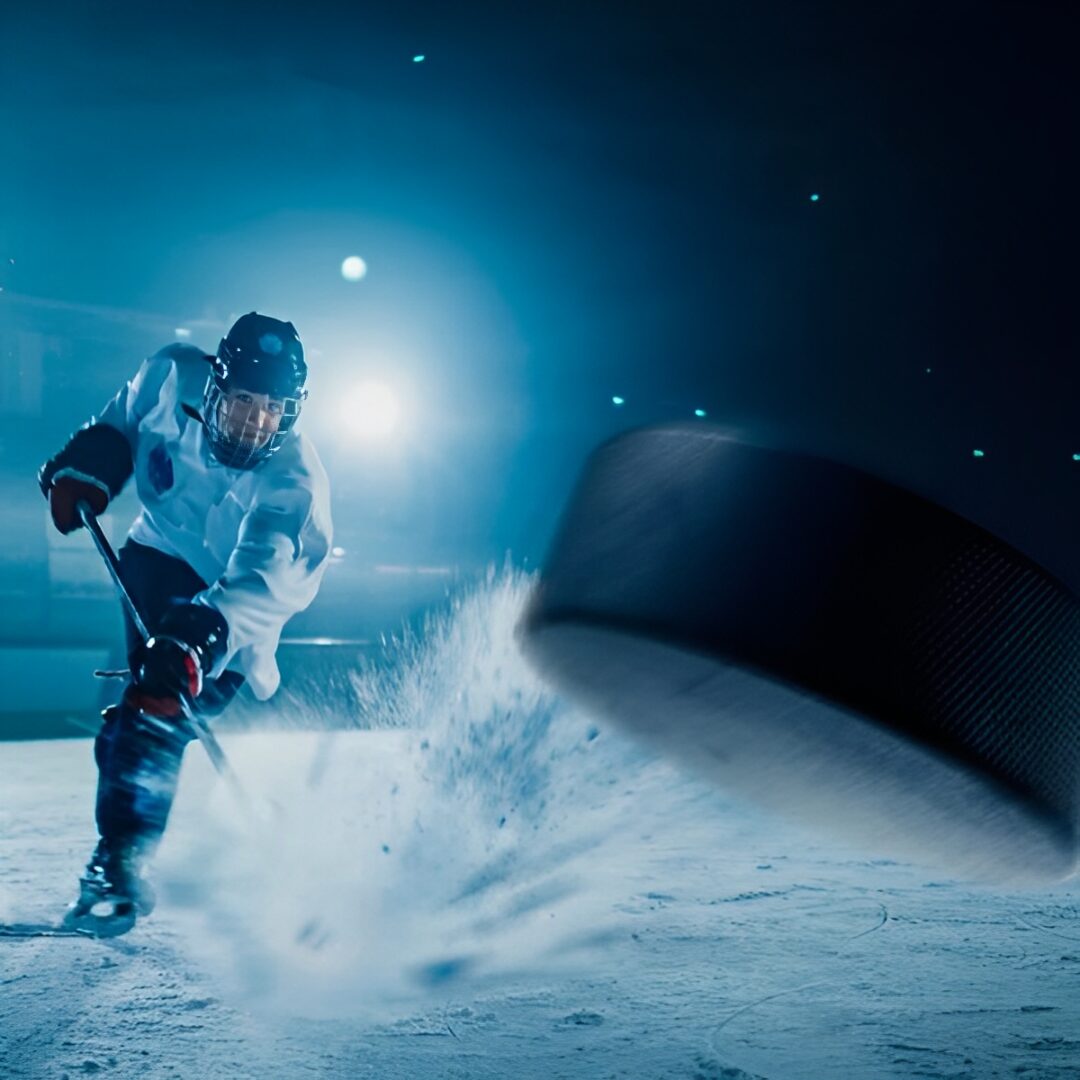
Hockey player shooting puck on ice rink.

3) Advanced Hockey Terms

  • Cycle the Puck: A strategy to maintain possession in the offensive zone by passing the puck along the boards.
  • Dump and Chase: A strategy where the puck is dumped into the offensive zone, and players chase after it.
  • Pinch: When a defenseman moves up toward the offensive zone to keep the puck in play.
  • Toe Drag: A move where a player drags the puck with the toe of their stick blade to evade a defender.
  • Saucer Pass: A pass that lifts slightly off the ice to avoid obstacles like sticks or skates.

4) Goalie-Specific Terms

  • Butterfly: A goaltending style where the goalie drops to their knees with pads spread wide to cover the lower part of the net.
  • Glove Save: Catching the puck with the goalie glove.
  • Paddle: The wide part of the goalie’s stick used to block shots or play the puck.
  • Post-to-Post: Moving side-to-side across the crease to follow the puck.
  • Rebound Control: Limiting second chances by directing the puck safely after a save.
  • Stack the Pads: A dramatic save where the goalie lays down and stacks their leg pads to block a shot.
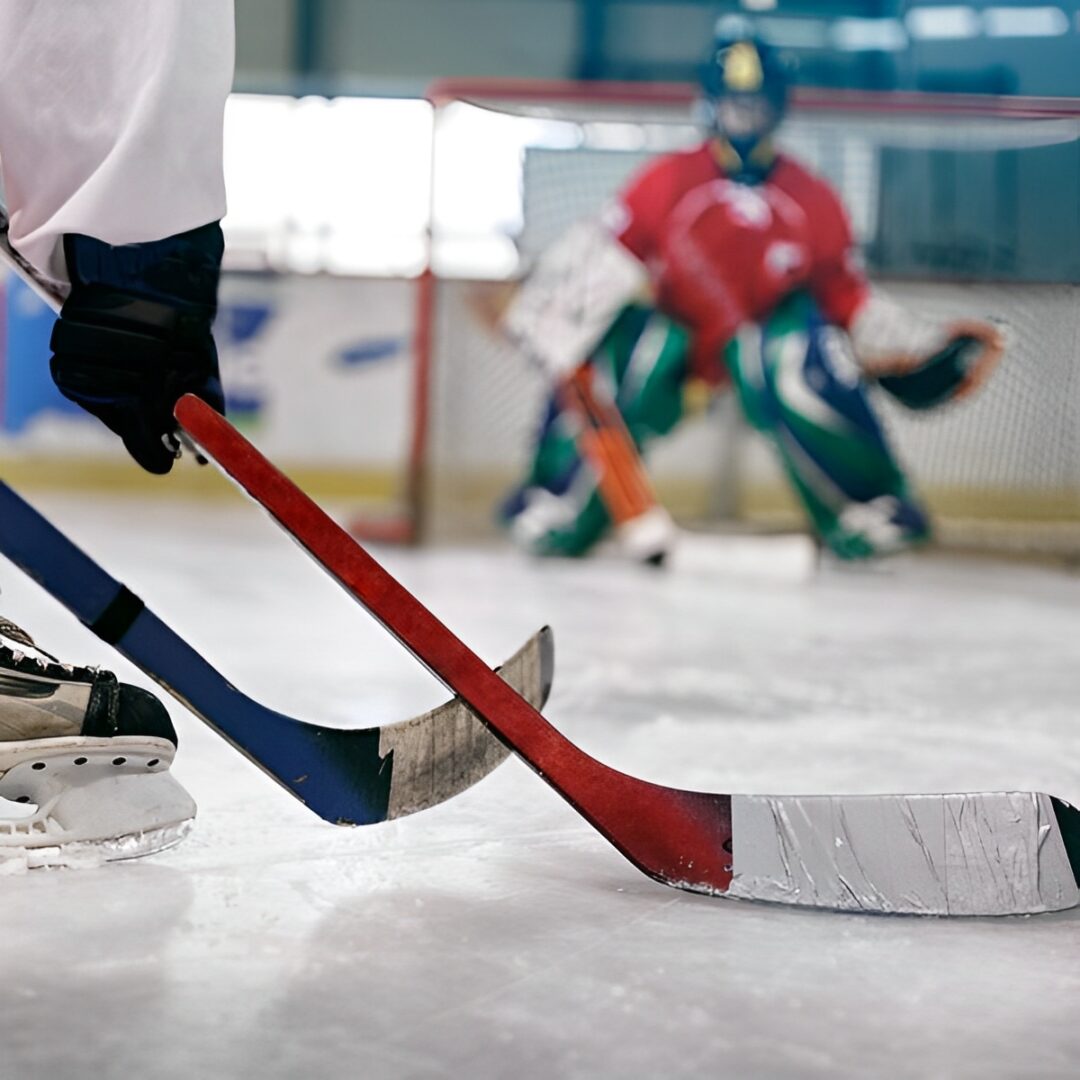
Hockey player with stick near goalie.