Show Us Your Sty!
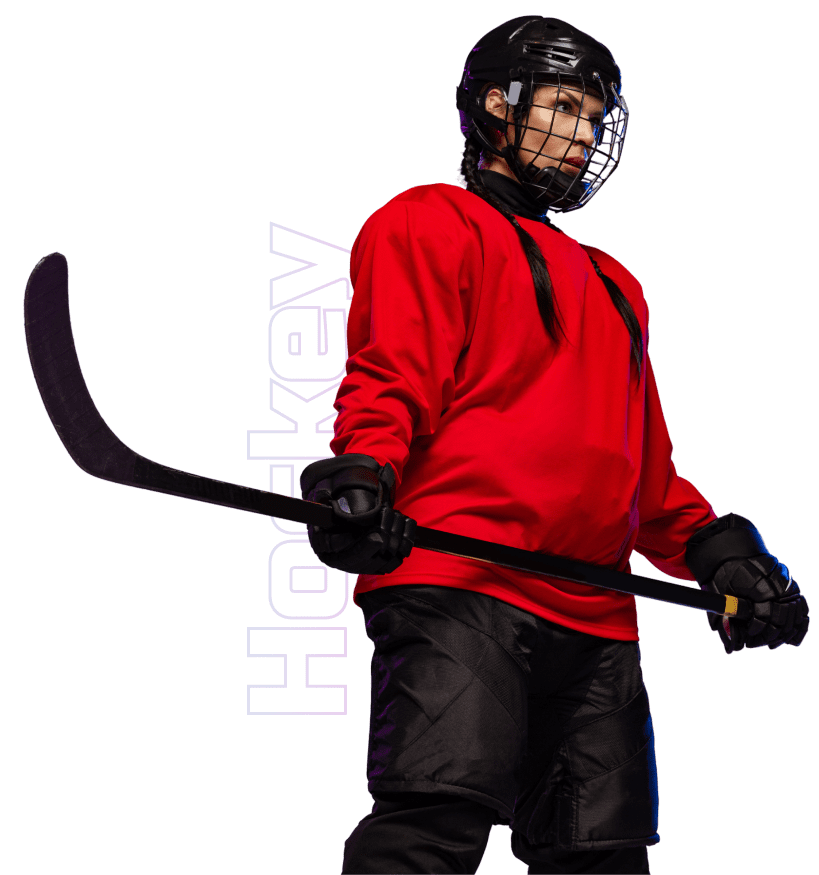
Got a photo or clip that shows your hockey vibe? Upload it here or tag us on social! Whether it's an action shot, off-ice fit, chill hang, or your latest workout grind, we wanna see it.
Hockey Training
On-Ice Training
Off-Ice Training
Video Analysis
Interested in having us review your gameplay? We offer video analysis to help you improve your skills. Click Here
Summer Training Program
This off-season plan is built to progressively develop stickhandling, speed, power, and strength week by week. Click Here
Sign Up for Hockey Hub's Free on- Ice Training for Youth Players
At Hockey Hub, we believe in giving back to the community and growing the sport of hockey
by supporting the next generation of players. Our free on-ice training sessions are
designed for youth players with foundational hockey experience who are eager to sharpen
their skills and develop their game. We aim to expand access to quality hockey coaching
for youth players in an inclusive and encouraging environment.
"*" indicates required fields
Hockey Hub Shout Outs
A huge thank-you to the incredible individuals, organizations, and communities who support making hockey accessible for everyone. Below are some of our favorites.

What Coaches/Scouts Are Looking for
Type of Hockey Shots
The Slapshot
The Wrist Shot
The Snapshot
The Backhand Shot
The Toe Drag Shot
NHL Player Snapshot
Average Player Size
Forward: 6'0", 195 lbs
Defense: 6'2", 210 lbs
Shooting Hand
Left Shot: 65%
Right Shot: 35%
Age Milestones
Avg NHL Debut: Age 20
Avg Career Length: 5 yrs
Oldest Player Ever: Gordie Howe (Age 52)
Speed & Power
Fastest Skater: 25 mph (Connor McDavid)
Hardest Slapshot: 108.8 mph (Zdeno Chara)
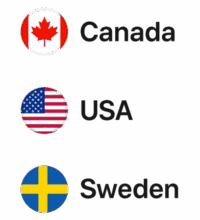
Most NHL Players by Country
Hockey Player Nutrition
Fuel Your Game. Recover Right.
Nutrition is just as important as training. Whether you’re hitting the ice for practice or gearing up for a big tournament, the right fuel can boost energy, focus, and recovery. Here’s what top athletes (and sports nutritionists) recommend:
Pre-Game Fuel (2–3 hours before)
- Carb-focused meal: Whole grain pasta, rice bowls, sweet potatoes
- Add lean protein: Chicken, turkey, eggs, tofu
- Hydrate early: 16–20 oz water or electrolyte drink
Example: Chicken and rice bowl with veggies + water with a pinch of sea salt
Smart Snacks for the Rink
- Protein bar (look for >10g protein, low sugar)
- Trail mix (nuts, seeds, dried fruit)
- Rice cakes with almond butter
- Yogurt + granola cup
Hydration Tips
- Start hydrating the day before big games
- Avoid soda or energy drinks — go for water or low-sugar electrolytes
- During games: sip every period (~5–10 oz)
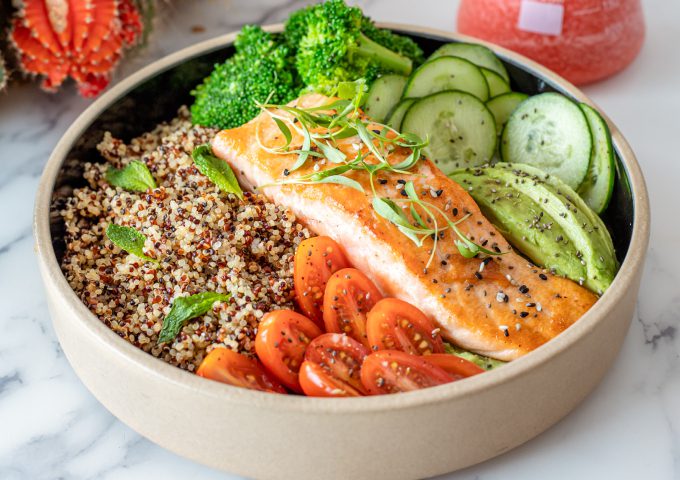
Hockey-Friendly Meal Ideas
Breakfast
Eggs, toast, avocado, fruit smoothie
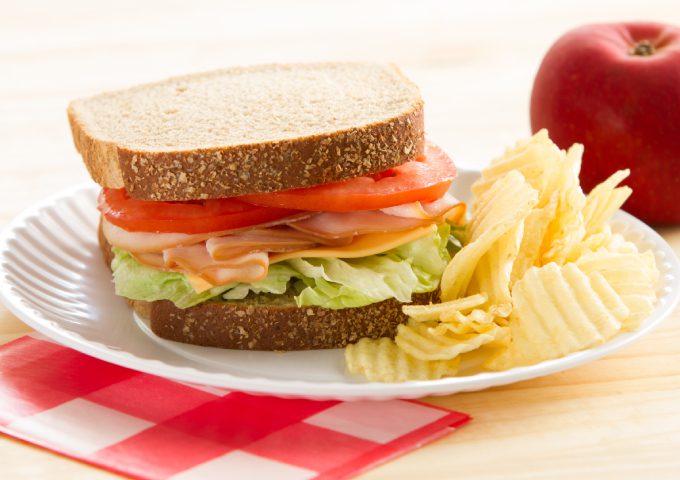
Lunch
Turkey sandwich, apple, pretzels
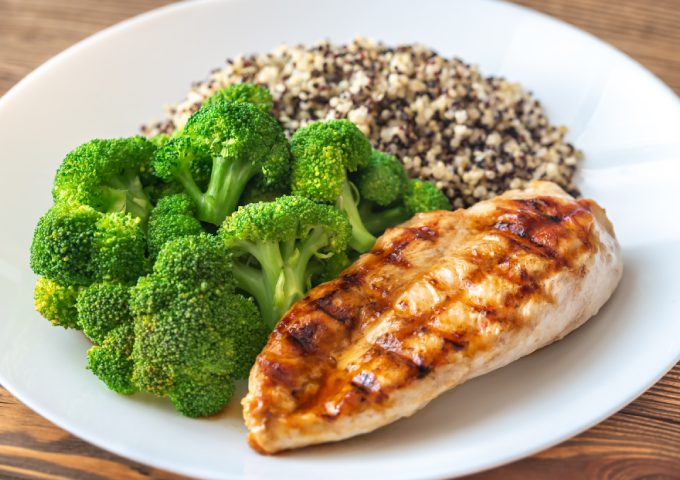
Dinner
Grilled salmon, quinoa, broccoli
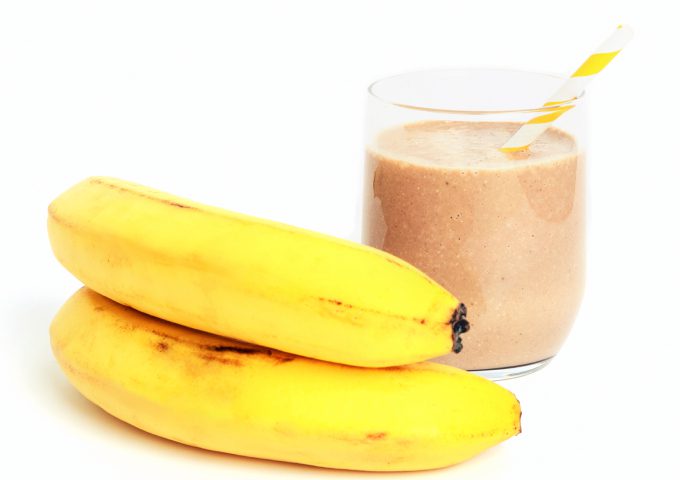
Post-Game
Protein shake + banana or chocolate milk |
Smoothie Recipes for Hockey Players
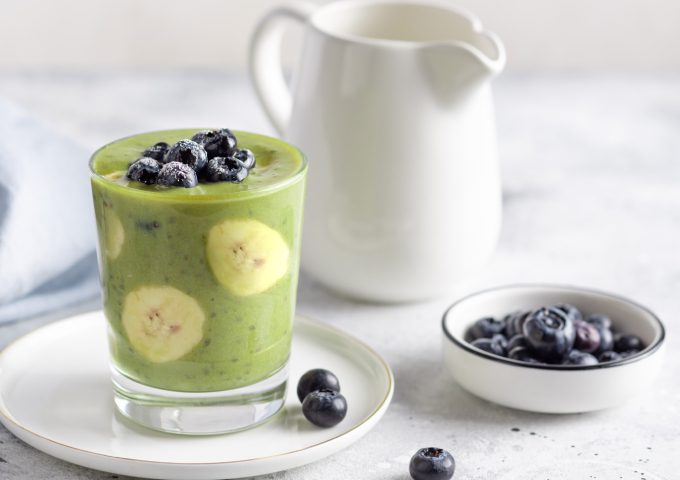
Game Day Power Smoothie
- 1 banana
- 1 cup frozen berries
- 1 scoop vanilla whey protein
- 1 cup spinach
- 1 tbsp peanut butter
- 1.5 cups almond milk
Why it works: Combines fast carbs, protein, and healthy fats — great pre- or post-practice.
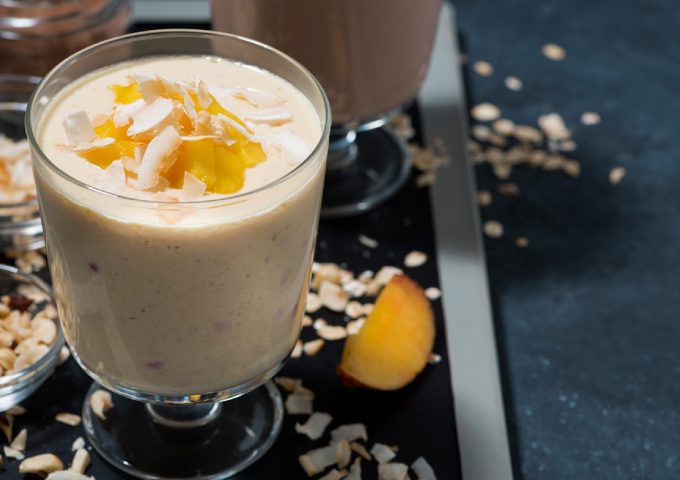
Recovery Boost Shake
- 1 cup Greek yogurt
- 1/2 cup oats
- 1 cup frozen mango
- 1 tsp turmeric
- 1 tbsp honey
- 1.5 cups coconut water
Why it works: Carbs + protein + anti-inflammatories = great for muscle recovery.
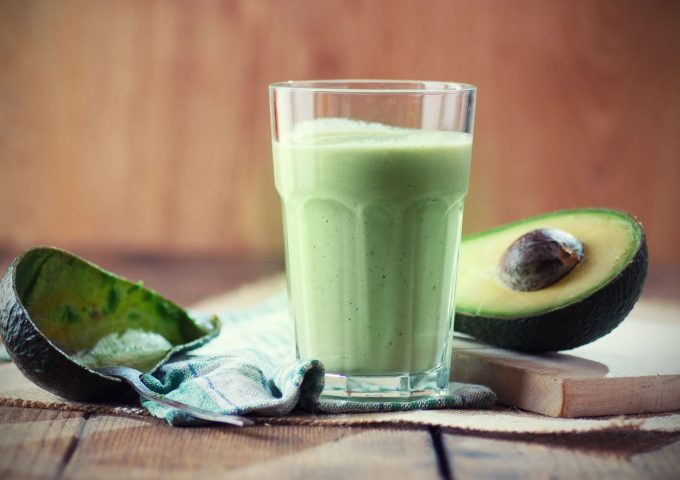
Morning Training Fuel
- 1/2 avocado
- 1 cup frozen pineapple
- 1 scoop plant protein
- 1 tbsp chia seeds
- 1 cup oat milk
Why it works: Healthy fats + fiber to keep you full and energized.
Supplements for Hockey Players
Under Age 15
- Multivitamin (age-formulated) – Fills potential gaps, especially during growth spurts
- Omega-3 (Fish Oil or Algal Oil) – Supports brain development, joint health
- Hydration Powder (electrolytes) – Helps replenish after practice or tournaments
Avoid creatine or caffeine-based products at this age.
Ages 15 and Older
- Whey or Plant Protein Powder – A great post-practice tool if you’re not getting enough protein from meals
- Creatine Monohydrate (with guidance) – Proven safe and effective in high school athletes when used properly:
- Start at 3–5g per day
- Take with carbs (e.g., juice or smoothie)
- Cycle off every few months
- Always check with a coach, parent, or athletic trainer first
- Magnesium + Zinc – Can support muscle function and sleep quality
Supplements are not shortcuts. They support good nutrition, not replace it.
Hockey Basics
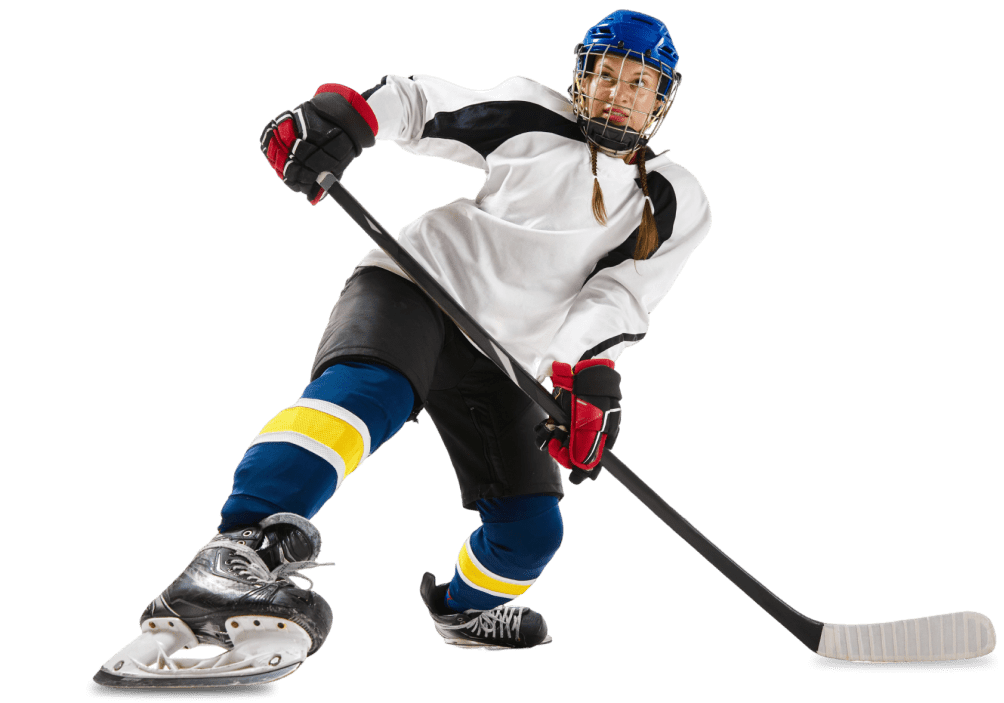

Objective
To score more goals than your opponent team during the allotted time of the game.

Teams
Each team consists of six players on the ice - one goalie, two defensemen, and three forwards (center, left wing, right wing).

Structure of Play
Games are divided into three periods of equal length. There are short intermissions between periods. An overtime period and/or shootout may be needed if teams are tied after regulation play.
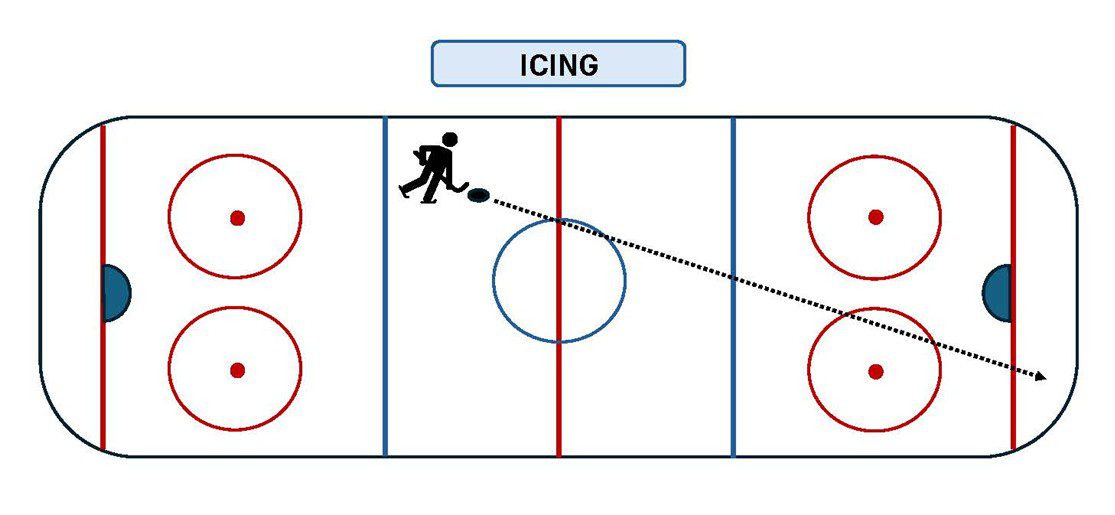
Rules